| Description |
Phenylalanine is an amino acid, which are the building blocks of proteins in your body. This molecule exists in two forms or arrangements: L-phenylalanine and D-phenylalanine. They're nearly identical but have a slightly different molecular structure. The L-form is found in foods and used to produce proteins in your body, while the D-form can be synthesized for use in certain medical applications . Your body is unable to produce enough L-phenylalanine on its own, so it's considered an essential amino acid that must be obtained through your diet. It's found in a wide variety of foods - both plant and animal sources. In addition to its role in protein production, phenylalanine is used to make other important molecules in your body, several of which send signals between different parts of your body. Phenylalanine has been studied as a treatment for several medical conditions, including skin disorders, depression and pain. However, it can be dangerous for people with the genetic disorder phenylketonuria (PKU). |
| Health Benefits |
Phenylalanine can be used to produce the molecule dopamine. Dopamine malfunction in the brain is associated with some forms of depression . One small 12-person study showed a possible benefit of a mixture of the D- and L-forms of this amino acid for treating depression, with 2/3 of patients showing improvement . However, there is minimal other support for phenylalanine's effects on depression, and most studies have not found clear benefits. In addition to vitiligo and depression, phenylalanine has been studied for potential effects on:Pain: The D-form of phenylalanine may contribute to pain relief in some instances, though study results are mixed .Alcohol withdrawal: A small amount of research indicates that this amino acid, along with other amino acids, may help alleviate symptoms of alcohol withdrawal.Parkinson's disease: Very limited evidence suggests that phenylalanine may be beneficial in treating Parkinson's disease, but more studies are needed .ADHD: Currently, research does not indicate benefits of this amino acid for the treatment of attention deficit hyperactivity disorder (ADHD) . |
| Side effects |
Phenylalanine is found in many protein-containing foods and is "generally recognized as safe" by the Food and Drug Administration (FDA) (27). The amount of this amino acid found in foods should not pose a risk for otherwise healthy individuals. What's more, few or no side effects are generally observed at supplement doses of 23–45 mg per pound (50–100 mg per kg) of body weight (9Trusted Source, 13Trusted Source). However, it may be best for pregnant women to avoid taking phenylalanine supplements. |
| Uses |
L-phenylalanine (LPA) serves as a building block for the various proteins that are produced in the body. LPA can be converted to L-tyrosine (another amino acid ) and subsequently to L-dopa, norepinephrine, and epinephrine . LPA can also be converted (through a separate pathway) to phenylethylamine, a substance that occurs naturally in the brain and appears to elevate mood. |
| Chemical Properties |
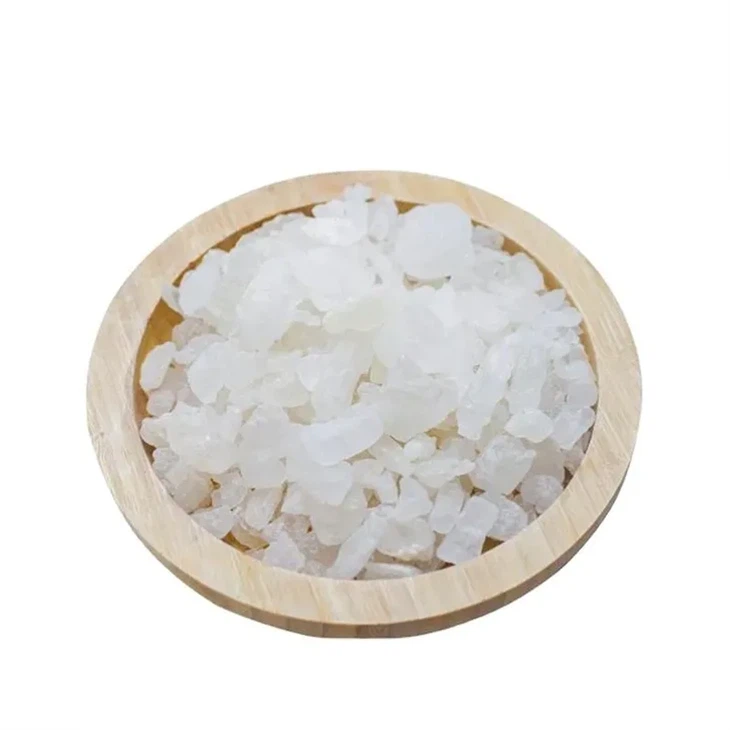
off-white to light beige crystals or crystalline |
| Uses |
Phenolic antioxidant. |
| Uses |
Tyrosol (Metoprolol EP Impurity G) is a phenolic antioxidant. |
| Definition |
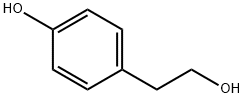
ChEBI: A phenol substituted at position 4 by a 2-hydroxyethyl group. |
| General Description |
2-(4-Hydroxyphenyl)ethanol is a phenolic alcohol commonly present in olive mill wastewater. |
| Biochem/physiol Actions |
Antioxidant found in olive oil. |