

Company Profile
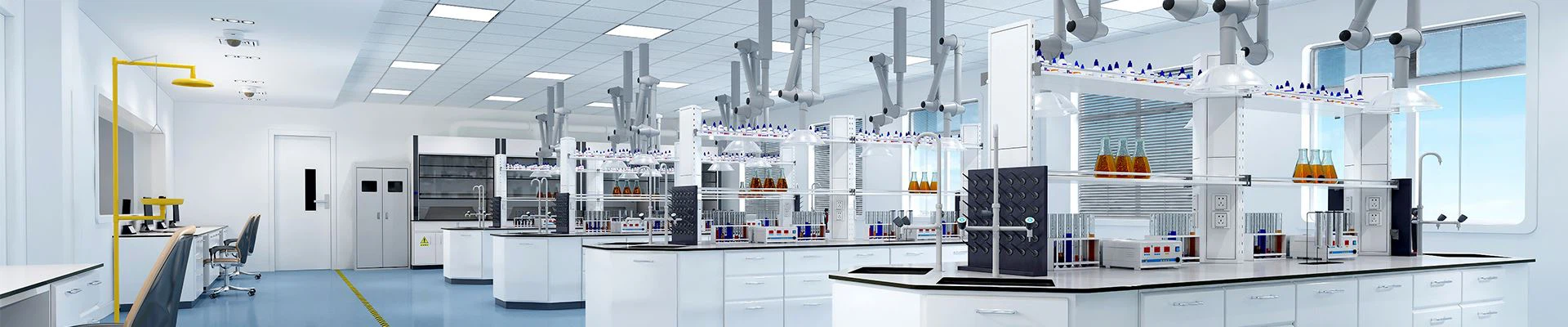
Suzhou Senfeida Chemical Co., Ltd. was established in 2013 and is an enterprise dedicated to the production and research and development of various chemical raw materials. In order to improve production efficiency and meet customer needs, the company established a warehousing and processing plant in Changzhou, Jiangsu in 2014. Subsequently, in order to better expand the market and serve customers, the company established a contract factory in Yueyang, Hunan in 2015.In addition, in order to meet the needs of customers in different regions, the company has also established multiple contract factories in Guangdong, Shandong and other places. Through these measures, Suzhou Senfeida Chemical Co., Ltd. can better provide customers with high-quality chemical raw material products.
Why Choose Us
High quality
Our products are manufactured or executed to very high standards, using the finest materials and manufacturing processes.
Competitive Price
We offering a higher-quality product or service at an equivalent price. As a result we have a growing and loyal customer base.
Rich experience
Our company has many years of production work experience. The concept of customer-oriented and win-win cooperation makes the company more mature and stronger.
Global shipping
Our products support global shipping and the logistics system is complete, so our customers are all over the world.
After-sale service
Professional and thoughtful after -sales team, let you worry about us after -sales Intimate service, strong after -sales team support.
Advanced equipment
A machine, tool or instrument designed with advanced technology and functionality to perform highly specific tasks with greater precision, efficiency and reliability.


![2-[2-[2-[2-[2-(BENZYLOXY)ETHOXY]ETHOXY]ETHOXY]ETHOXY]ETHANOL](/uploads/41226/page/small/2-2-2-2-2-benzyloxy-ethoxy-ethoxy-ethoxy403ed.jpg)


Mono-Functional Include
What Is Dodecyl Acrylate
Dodecyl acrylate is a chemical compound that belongs to the family of acrylate esters. Its chemical formula is C15H28O2, and its systematic name is dodecyl prop-2-enoate. It is also known by other names such as lauryl acrylate or n-dodecyl acrylate.Dodecyl acrylate is a clear, colorless liquid with a characteristic odor. It is insoluble in water but soluble in organic solvents such as alcohols, ethers, and hydrocarbons. It is primarily used as a monomer in the production of polymers and copolymers through various polymerization processes, such as free radical polymerization.Due to its long hydrocarbon chain, dodecyl acrylate imparts hydrophobic properties to the polymers it is incorporated into. This makes it useful in applications such as coatings, adhesives, sealants, and textiles, where water resistance and flexibility are desired.
Advantages of Dodecyl Acrylate
Good solubility: Dodecyl acrylate has good solubility in a variety of solvents, which makes it easy to dissolve and uniformly disperse in different systems. This property allows it to be easily formulated into coatings, adhesives, resins, and other materials, enhancing their performance and processing properties.
Low volatility: Dodecyl acrylates have lower volatility than short-chain acrylates. This means that it is less likely to evaporate or escape from the formulated product during processing or use, resulting in a more stable formulation and longer performance.
Good film-forming properties: Dodecyl acrylate can form tough and transparent films when cured or cross-linked. These films offer excellent adhesion, durability, and resistance to abrasion. This makes it suitable for applications such as coatings, protective films, and adhesives where a strong and protective barrier is required.
Chemical reactivity: The acrylate group in dodecyl acrylate enables it to participate in various chemical reactions, such as polymerization, cross-linking, and grafting. This reactivity allows for the customization and modification of its properties to meet specific application requirements.
Lubricating properties: Due to its long carbon chain, dodecyl acrylate can impart lubricating properties to formulated products. It can reduce friction, improve slippage, and enhance the flow characteristics of coatings, polymers, and lubricants.
Compatibility: Dodecyl acrylate is compatible with a wide range of other chemicals and materials. It can be easily blended with polymers, resins, additives, and solvents to create formulations with desired properties.
Types of Dodecyl Acrylate
Pure dodecyl acrylate
This is the basic form of dodecyl acrylate where the acrylate group (-OCOCH=CH2) is directly attached to the dodecyl chain (-C12H25). It is a clear liquid at room temperature and has a low viscosity. Pure dodecyl acrylate is widely used as a monomer in the synthesis of polymers, resins, and adhesives.
01
Modified dodecyl acrylates
To tailor the properties of dodecyl acrylate for specific applications, it can be modified through chemical reactions. Examples of modified dodecyl acrylates include.
02
Hydroxyethyl dodecyl acrylate
This type has an additional hydroxyethyl group (-CH2CH2OH) attached to the acrylate moiety. The presence of the hydroxyethyl group imparts hydrophilic properties, enhancing the water solubility and compatibility of the compound.
03
Methacryloyloxyethyl dodecyl acrylate
In this variant, a methacryloyloxyethyl group (-CH2CH2OCOCH=CH2) is introduced. This modification allows for cross-linking reactions, enabling the formation of polymers with enhanced mechanical properties.
04
Copolymerized dodecyl acrylates
Dodecyl acrylate can be copolymerized with other monomers to create polymers with desired characteristics. By copolymerizing dodecyl acrylate with acrylic acid or other acrylate monomers, the resulting polymers can exhibit different properties such as increased toughness, improved adhesion, or modified solubility.
05
Application of Dodecyl Acrylate
Dodecyl acrylate is widely used as a monomer in the synthesis of polymers. By polymerization reactions, polymers containing dodecyl acrylate units can be formed. These polymers can have various properties, such as elasticity, adhesiveness, and durability, depending on the polymerization conditions and the presence of other monomers.
The polymers synthesized from dodecyl acrylate can be used as coatings or adhesives. They can provide adhesion, gloss, and durability to various substrates, including metals, plastics, and woods. Dodecyl acrylate-based adhesives are commonly used in the automotive, construction, and packaging industries.
Dodecyl acrylate can be applied to the treatment of textiles to impart certain properties. It can enhance the hydrophobicity or water repellency of textiles, making them more resistant to water and stains. This treatment is particularly useful for outdoor gear, sportswear, and protective clothing.
Dodecyl acrylate is used in the formulation of personal care products such as shampoos, conditioners, and lotions. It can provide lubricity, foam stability, and conditioning effects to the hair and skin. Dodecyl acrylate helps improve the sensory properties and performance of these products.
Dodecyl acrylate is employed in the manufacturing of printing inks and coatings. It can contribute to the adhesion, gloss, and flexibility of the ink or coating on various surfaces, including paper, plastic, and metal.
What Is Dodecyl 2-Methylacrylate
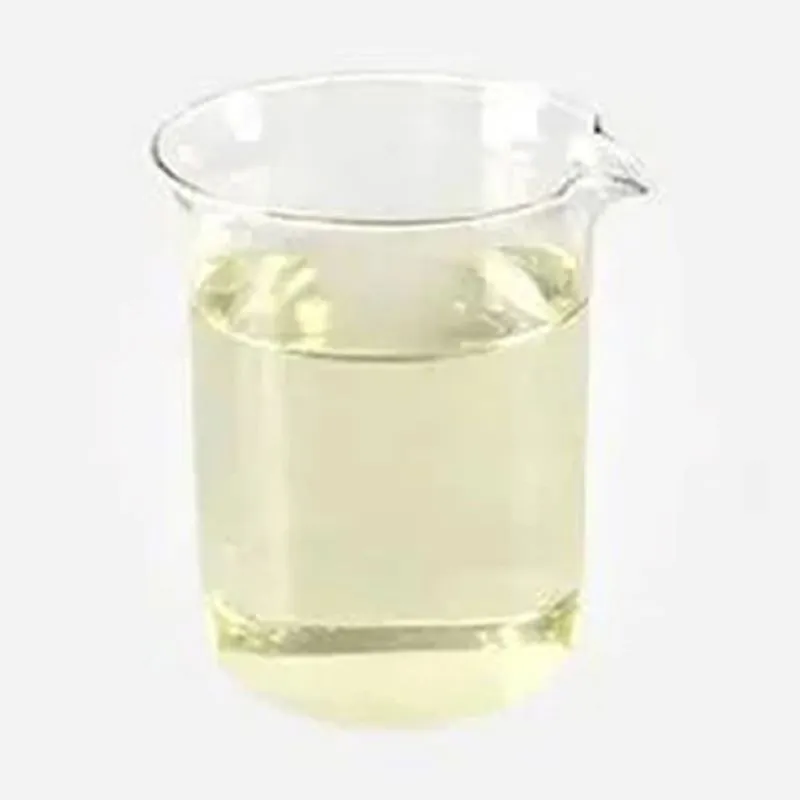
Dodecyl 2-methylacrylate is a chemical compound that belongs to the family of acrylate esters. Its chemical formula is C16H30O2, and its systematic name is dodecyl 2-methylprop-2-enoate. It is also known by other names such as lauryl 2-methylacrylate or n-dodecyl 2methylacrylate.Dodecyl 2-methylacrylate is a clear, colorless liquid with a characteristic odor. It is insoluble in water but soluble in organic solvents such as alcohols, ethers, and hydrocarbons. Similar to other acrylate esters, it is primarily used as a monomer in the production of polymers and copolymers through various polymerization processes, such as free radical polymerization.The presence of the methyl group in dodecyl 2-methylacrylate provides additional branching in the polymer structure, which can influence the properties of the resulting polymers. This ester is often used to modify the properties of polymers, such as improving flexibility, impact resistance, and adhesion.
Advantages of Dodecyl 2-Methylacrylate
Good solubility
Dodecyl 2-methylacrylate has good solubility in a variety of solvents, which makes it easy to dissolve and uniformly disperse in different systems. This property allows it to be easily formulated into coatings, adhesives, resins, and other materials, enhancing their performance and processing properties.
Low volatility
Compared with short-chain acrylates, dodecyl-2-methacrylates have lower volatility. This means that it is less likely to evaporate or escape from the formulated product during processing or use, resulting in a more stable formulation and longer performance.
Good film-forming properties
Dodecyl 2-methylacrylate can form tough and transparent films when cured or cross-linked. These films offer excellent adhesion, durability, and resistance to abrasion. This makes it suitable for applications such as coatings, protective films, and adhesives where a strong and protective barrier is required.
Chemical reactivity
The acrylate group in dodecyl 2-methylacrylate enables it to participate in various chemical reactions, such as polymerization, cross-linking, and grafting. This reactivity allows for the customization and modification of its properties to meet specific application requirements.
Lubricating properties
Due to its long carbon chain, dodecyl 2-methylacrylate can impart lubricating properties to formulated products. It can reduce friction, improve slippage, and enhance the flow characteristics of coatings, polymers, and lubricants.
Compatibility
Dodecyl 2-methylacrylate is compatible with a wide range of other chemicals and materials. It can be easily blended with polymers, resins, additives, and solvents to create formulations with desired properties.
Types of Dodecyl 2-Methylacrylate
Pure dodecyl 2-methylacrylate: This is the basic form of dodecyl 2-methylacrylate where the acrylate group (-OCOCH=CH2) is directly attached to the dodecyl chain (-C12H25). It is a clear liquid at room temperature and has a low viscosity. Pure dodecyl 2-methylacrylate is widely used as a monomer in the synthesis of polymers, resins, and adhesives.
Modified dodecyl 2-methylacrylates: To tailor the properties of dodecyl 2-methylacrylate for specific applications, it can be modified through chemical reactions. Examples of modified dodecyl 2-methylacrylates include:
3.Hydroxyethyl dodecyl 2-methylacrylate
Hydroxyethyl dodecyl 2-methylacrylate: This type has an additional hydroxyethyl group (-CH2CH2OH) attached to the acrylate moiety. The presence of the hydroxyethyl group imparts hydrophilic properties, enhancing the water solubility and compatibility of the compound.
Methacryloyloxyethyl dodecyl 2-methylacrylate: In this variant, a methacryloyloxyethyl group (-CH2CH2OCOCH=CH2) is introduced. This modification allows for cross-linking reactions, enabling the formation of polymers with enhanced mechanical properties.
Copolymerized dodecyl 2-methylacrylates: Dodecyl 2-methylacrylate can be copolymerized with other monomers to create polymers with desired characteristics. By copolymerizing dodecyl 2-methylacrylate with acrylic acid or other acrylate monomers, the resulting polymers can exhibit different properties such as increased toughness, improved adhesion, or modified solubility.
How to Maintain Dodecyl 2-Methylacrylate
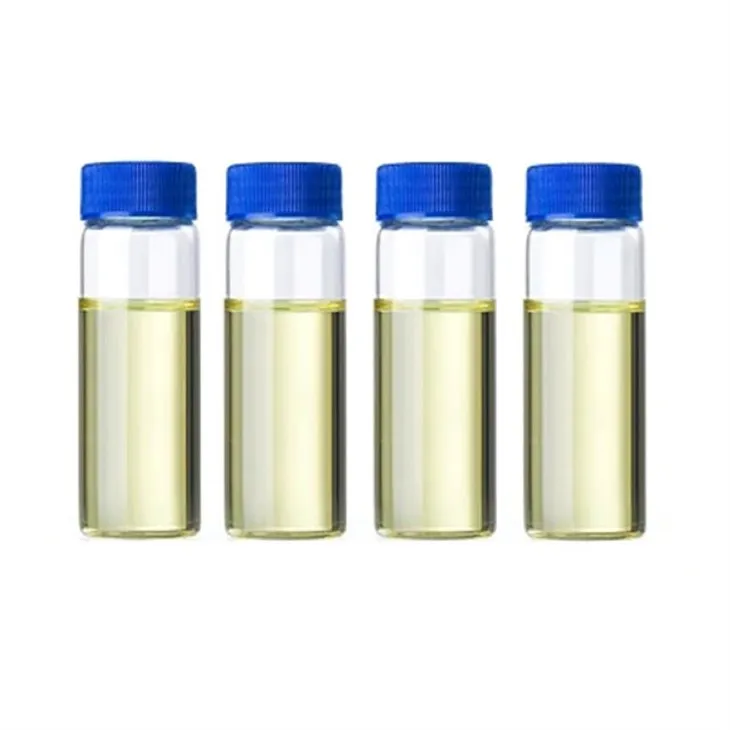
Wear appropriate protective equipment, such as protective gloves and goggles, to avoid direct contact with the skin and eyes.Use in a well-ventilated area to avoid inhalation of vapors.Do not eat, drink or smoke in the workplace.Do not mix dodecyl 2-methylacrylate with strong oxidants, reducing agents or other chemicals that may react violently.Store dodecyl 2-methylacrylate in a cool, dry and well-ventilated place, away from heat sources, sparks and open flames.Follow the instructions and safety precautions provided by the manufacturer.
How to Store Dodecyl 2-Methylacrylate
1.Store in a cool, dry and well-ventilated place
2-Dodecyl methacrylate should be stored in a place with a suitable temperature range to avoid direct sunlight or high temperatures, which may cause decomposition or deterioration.
2.Use appropriate containers
Store dodecyl-2-methacrylate in sealed, leak-proof, chemical-resistant containers. Make sure the container is in good condition and has no cracks or damage to prevent leaks.
3.Tags and labels
Clearly label the container with the name of lauryl-2-methacrylate, the concentration and any hazard warnings. This helps in the proper identification and handling of chemicals in an emergency.
4.Keep away from incompatible materials
2-Ladecyl methacrylate should be stored away from substances that may react with or be incompatible with it. This includes strong oxidants, acids, alkalis, and other chemicals that may cause dangerous reactions.
5.Control access
Only authorized personnel have access to the storage areas for dodecyl-2-methacrylate. Implement access control measures to prevent tampering or accidental exposure to chemicals by unauthorized individuals.
6.Regular inspection and maintenance
Regularly inspect storage areas and containers for leaks, damage, or other abnormalities. Ensure proper ventilation and safety equipment are in place and functioning properly.
7.Comply with safety regulations
Follow local, regional and national safety regulations and guidelines regarding chemical storage and handling. This includes proper training of personnel handling chemicals and the development of appropriate emergency response plans.
Application of Dodecyl 2-Methylacrylate
Polymer synthesis
Dodecyl 2-methylacrylate is widely used as a monomer in the synthesis of polymers. By polymerization reactions, polymers containing dodecyl 2-methylacrylate units can be formed. These polymers can have various properties, such as elasticity, adhesiveness, and durability, depending on the polymerization conditions and the presence of other monomers.
01
Coatings and adhesives
The polymers synthesized from dodecyl 2-methylacrylate can be used as coatings or adhesives. They can provide adhesion, gloss, and durability to various substrates, including metals, plastics, and woods. Dodecyl 2-methylacrylate-based adhesives are commonly used in the automotive, construction, and packaging industries.
02
Textile treatment
Dodecyl 2-methylacrylate can be applied to the treatment of textiles to impart certain properties. It can enhance the hydrophobicity or water repellency of textiles, making them more resistant to water and stains. This treatment is particularly useful for outdoor gear, sportswear, and protective clothing.
03
Personal care products
Dodecyl 2-methylacrylate is used in the formulation of personal care products such as shampoos, conditioners, and lotions. It can provide lubricity, foam stability, and conditioning effects to the hair and skin. Dodecyl 2-methylacrylate helps improve the sensory properties and performance of these products.
04
Ink and coating formulations
Dodecyl 2-methylacrylate is employed in the manufacturing of printing inks and coatings. It can contribute to the adhesion, gloss, and flexibility of the ink or coating on various surfaces, including paper, plastic, and metal.
05
What Is Octadecyl Acrylate
Octadecyl acrylate is a chemical compound that belongs to the family of acrylate esters. Its chemical formula is C21H40O2, and its systematic name is octadecyl prop-2-enoate. It is also known by other names such as stearyl acrylate or n-octadecyl acrylate.Octadecyl acrylate is a clear, colorless liquid with a characteristic odor. It is insoluble in water but soluble in organic solvents such as alcohols, ethers, and hydrocarbons. Similar to other acrylate esters, it is primarily used as a monomer in the production of polymers and copolymers through various polymerization processes, such as free radical polymerization.Due to its long hydrocarbon chain, octadecyl acrylate imparts hydrophobic properties to the polymers it is incorporated into. This makes it useful in applications such as coatings, adhesives, sealants, and textiles, where water resistance and flexibility are desired. Additionally, the long carbon chain of octadecyl acrylate contributes to its ability to act as a lubricant and release agent in certain applications.
Advantages of Octadecyl Acrylate
Lubricity and hydrophobicity
Octadecyl acrylate can be used to modify surfaces to impart lubricity and hydrophobicity. Its long alkyl chain provides a low surface energy, reducing the friction between surfaces and making them more slippery. This property is useful in applications such as lubricants, coatings, and plastics to improve their tribological performance and resistance to water and moisture.
Surface modification
Octadecyl acrylate can be used for surface modification to change the surface properties of materials. By coating or grafting octadecyl acrylate onto a substrate, its hydrophobic and lipophobic characteristics can be imparted, reducing the adsorption and adhesion of contaminants, proteins, or cells. This is beneficial in applications such as medical devices, textiles, and membranes to improve their biocompatibility, anti-fouling properties, and separation efficiency.
Polymer synthesis
Octadecyl acrylate is a monomer that can be used in the synthesis of polymers. By polymerization reactions, polymers containing octadecyl acrylate units can be formed. These polymers can have properties such as hydrophobicity, adhesiveness, and durability, making them suitable for applications in coatings, adhesives, sealants, and plastics.
Personal care products
Octadecyl acrylate is used in the formulation of personal care products. It can provide lubricity, conditioning, and sensory properties to hair care, skin care, and cosmetic formulations. Octadecyl acrylate helps improve the texture, smoothness, and shine of hair and skin, and can also enhance the stability and performance of these products.
Types of Octadecyl Acrylate

Pure octadecyl acrylate
This is the basic form of octadecyl acrylate, which consists of only the acrylate group (-OCOCH=CH2) attached to the 18-carbon alkyl chain (-C18H37). Pure octadecyl acrylate is often used as a starting material or intermediate in the synthesis of other compounds or polymers.
Copolymer of octadecyl acrylate
Octadecyl acrylate can be copolymerized with other monomers to form copolymers. By copolymerizing with other monomers, the properties of the copolymer can be adjusted and tailored to meet specific application requirements. For example, octadecyl acrylate can be copolymerized with acrylic acid to form an acrylate copolymer with improved adhesion and hydrophobicity.
Modified octadecyl acrylate
Octadecyl acrylate can be modified to enhance or modify its properties. Modifications can include functional groups such as hydroxyl (-OH), carboxyl (-COOH), or amine (-NH2) being introduced onto the alkyl chain. These modifications can affect the solubility, reactivity, or intermolecular interactions of octadecyl acrylate, tailoring it for specific applications.
Crosslinked octadecyl acrylate
Crosslinking reactions can be used to create networks or gels from octadecyl acrylate. By introducing crosslinking agents or using radiation curing techniques, the octadecyl acrylate molecules can be linked together to form a three-dimensional structure. Crosslinked octadecyl acrylate can have improved mechanical properties, durability, and stability.
Application of Octadecyl Acrylate
Polymer synthesis: Octadecyl acrylate is used as a monomer in the synthesis of polymers. By polymerization reactions, polymers containing octadecyl acrylate units can be formed. These polymers can have properties such as hydrophobicity, adhesiveness, and durability, making them suitable for applications in coatings, adhesives, sealants, and plastics.
Surface modification: Octadecyl acrylate can be used for surface modification to impart hydrophobic or lipophobic properties. By coating or grafting octadecyl acrylate onto a substrate, its low surface energy reduces the affinity for water or lipids, enhancing the resistance to staining, wetting, or fouling. This is beneficial in applications such as medical devices, textiles, and membranes.
Personal care products: Octadecyl acrylate is used in the formulation of personal care products. It can provide lubricity, conditioning, and sensory properties to hair care, skin care, and cosmetic formulations. Octadecyl acrylate helps improve the texture, smoothness, and shine of hair and skin, and can also enhance the stability and performance of these products.
Coatings and adhesives: Octadecyl acrylate-based polymers can be formulated into coatings and adhesives. These coatings can provide hydrophobicity, durability, and gloss to surfaces, protecting them from moisture, abrasion, and chemical exposure. Octadecyl acrylate adhesives can offer adhesion to various substrates, including plastics, metals, and composites.
Paper and packaging: Octadecyl acrylate can be used in the papermaking and packaging industries. It can be added to paper coatings or adhesives to improve printability, water resistance, and grease resistance. Octadecyl acrylate can also enhance the barrier properties of packaging materials, protecting the contents from moisture and oxygen.
What Are the Precautions for Using Octadecyl Acrylate
1. Wear appropriate protective equipment
Before handling Octadecyl Acrylate, wear gloves, goggles, and a protective mask to protect your hands, eyes, and respiratory system from contact with the chemical.
2. Ensure good ventilation
Work in a well-ventilated area to prevent the accumulation of vapors or fumes. Good ventilation helps reduce exposure to chemicals and keeps the air fresh.
3. Avoid skin contact
Direct contact of Octadecyl Acrylate with your skin should be avoided. In case of contact, immediately wash the affected area with plenty of water. If irritation or discomfort occurs, seek medical attention.
4. Do not inhale or ingest
Octadecyl Acrylate should not be inhaled or ingested. Keep it away from your mouth and nose. If accidentally inhaled or ingested, seek medical help immediately.
5. Handle with care
Handle Octadecyl Acrylate carefully to avoid spills or splashes. If a spill occurs, clean it up promptly according to the appropriate procedures.
6. Read and follow instructions
Carefully read and follow the instructions and safety guidelines provided by the manufacturer or supplier of Octadecyl Acrylate. Understand the proper use, storage, and disposal methods.
7. Store properly
Store Octadecyl Acrylate in a cool, dry, and well-ventilated place, away from heat sources, flames, and incompatible substances. Ensure the containers are properly labeled and sealed.
8. Train and educate employees
Ensure that employees who handle Octadecyl Acrylate are trained and educated about the proper use, handling, and safety precautions of the chemical. Provide them with necessary personal protective equipment and instructions.
9.Dispose of properly
Follow the manufacturer's instructions or local regulations for the disposal of Octadecyl Acrylate. Do not dispose of it in regular waste or pour it down the drain.
10.Keep out of reach of children and pets
Store Octadecyl Acrylate in a secure location, out of reach of children and pets, to prevent accidental exposure or ingestion.
Our Factory
Suzhou Senfeida Chemical Co., Ltd. was established in 2013 and is an enterprise dedicated to the production and research and development of various chemical raw materials. In order to improve production efficiency and meet customer needs, the company established a warehousing and processing plant in Changzhou, Jiangsu in 2014. Subsequently, in order to better expand the market and serve customers, the company established a contract factory in Yueyang, Hunan in 2015.In addition, in order to meet the needs of customers in different regions, the company has also established multiple contract factories in Guangdong, Shandong and other places. Through these measures, Suzhou Senfeida Chemical Co., Ltd. can better provide customers with high-quality chemical raw material products.


FAQ
Q: What is Octadecyl Acrylate?
Q: What are the properties of Octadecyl Acrylate?
Q: What are the applications of Octadecyl Acrylate?
Q: Is Octadecyl Acrylate harmful to the human body?
Q: How to store Octadecyl Acrylate?
Q: What are the precautions for using Octadecyl Acrylate?
Q: Can Octadecyl Acrylate be recycled or reused?
Q: Are there any alternative materials to Octadecyl Acrylate?
Q: What is Dodecyl 2-Methylacrylate?
Q: What are the properties of Dodecyl 2-Methylacrylate?
Q: What are the applications of Dodecyl 2-Methylacrylate?
Q: Is Dodecyl 2-Methylacrylate harmful to the human body?
Q: How to store Dodecyl 2-Methylacrylate?
Q: What are the precautions for using Dodecyl 2-Methylacrylate?
Q: Can Dodecyl 2-Methylacrylate be recycled or reused?
Q: Are there any alternative materials to Dodecyl 2-Methylacrylate?
Q: What is Dodecyl Acrylate?
Q: What are the properties of Dodecyl Acrylate?
Q: What are the applications of Dodecyl Acrylate?
Q: Is Dodecyl Acrylate harmful to the human body?
As one of the leading mono-functional manufacturers and suppliers in China, we warmly welcome you to buy high-grade mono-functional made in China here from our factory. All chemicals are with high quality and low price.
Di-functional, Dipropylene Glycol Diacrylate, Propoxylate Neopentylene Glycol Diacrylate