



15 Ethoxylated Trimethylolpropane Triacrylate
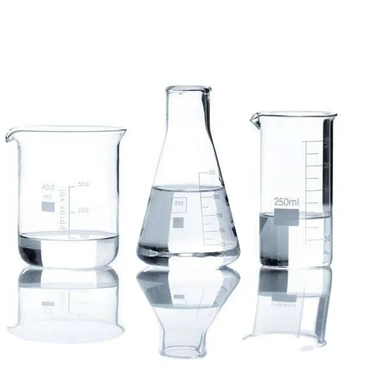
Appearance: Colorless Liquid
MF: C21H32O9
MW: 734
EINECS NO: 500-066-5
Product Introduction
What Is 15 Ethoxylated Trimethylolpropane Triacrylate
15 Ethoxylated Trimethylolpropane Triacrylate is a chemical compound that belongs to the class of acrylate esters. It is commonly used as a reactive diluent in the coatings, adhesives, and sealants industries.The chemical formula of 15 Ethoxylated Trimethylolpropane Triacrylate is C21H36O11, and it has a molecular weight of 448.5 g/mol. It is a clear, colorless liquid with a low viscosity and a mild odor. The ethoxylation of trimethylolpropane triacrylate increases its polarity, improving its solubility in water and polar solvents.This compound is used in the production of various coating formulations, including paints, varnishes, and lacquers. It acts as a diluent, reducing the viscosity of the coating system and enhancing flow properties. Additionally, it improves the adhesion and durability of the coatings by promoting crosslinking reactions.
Why Choose Us
High quality
Our products are manufactured or executed to very high standards, using the finest materials and manufacturing processes.
Competitive Price
We offering a higher-quality product or service at an equivalent price. As a result we have a growing and loyal customer base.
Rich experience
Our company has many years of production work experience. The concept of customer-oriented and win-win cooperation makes the company more mature and stronger.
Global shipping
Our products support global shipping and the logistics system is complete, so our customers are all over the world.
After-sale service
Professional and thoughtful after -sales team, let you worry about us after -sales Intimate service, strong after -sales team support.
Advanced equipment
A machine, tool or instrument designed with advanced technology and functionality to perform highly specific tasks with greater precision, efficiency and reliability.



Advantages of 15 Ethoxylated Trimethylolpropane Triacrylate

Low viscosity
ETPTA's low viscosity makes it easy to handle and apply. Its low viscosity allows for better flow and penetration, ensuring even distribution of compounds in a variety of applications.
Good solubility
ETPTA exhibits good solubility in a variety of solvents. This property allows it to be easily dissolved and incorporated into different resin systems, coatings, adhesives and sealants. Enhanced solubility promotes uniform mixing and improves the overall performance of the final product.
Improve flexibility
Ethoxylation of trimethylolpropane triacrylate increases the flexibility of the molecule. This flexibility can enhance the durability and resistance of coatings, adhesives and sealants to cracking or brittleness. Improved flexibility also helps improve adhesion on flexible substrates.
Enhanced reactivity
ETPTA has enhanced reactivity due to the presence of three acrylate groups. This reactivity is beneficial for applications requiring rapid cure or cross-linking, such as the curing of adhesives or the formation of cross-linked polymer networks in coatings and sealants.
Improve adhesion
ETPTA's ethoxylated functional groups improve the bonding properties of coatings, adhesives and sealants. It promotes better bonding to a variety of substrates, including metal, plastic, wood and concrete.
Wide application
ETPTA can be used in a variety of industries, including coatings, adhesives, sealants and composites. Its versatility allows it to be used in automotive, construction, aerospace, electronics and many other fields.
Excellent weather resistance
Cured products formulated with ETPTA generally exhibit excellent weather resistance. They can withstand sunlight, moisture and temperature fluctuations, ensuring long-lasting performance and durability.
Application of 15 Ethoxylated Trimethylolpropane Triacrylate
ETPTA is widely used in the production of coatings and adhesives. Its low viscosity and good solubility make it suitable as a reactive diluent, which can reduce the viscosity of the system and improve the flow properties. This property helps to improve the application and leveling of coatings, and also enhances the adhesion of adhesives.
In the field of sealants, ETPTA can be used to modify the viscosity, curing speed, and mechanical properties of sealants. It improves the adhesion to different substrates and contributes to the overall performance of the sealants.
ETPTA is used in composites as a resin modifier or reactive diluent. It can improve the processing characteristics and mechanical properties of the composites, and enhance the interfacial bonding between the reinforcement and the matrix.
ETPTA has good reactivity and solubility, making it suitable for ultraviolet curing system. It can participate in the curing reaction to improve the curing speed and cross-linking density of the system.
In the field of printing inks, ETPTA can be used to adjust the viscosity, drying speed, and adhesion of inks. It helps to improve the printability and durability of inks.
1. Pure ETPTA
This is the basic form of ETPTA, which contains three acrylate groups and 15 ethoxylate groups. It is a clear, low-viscosity liquid and is widely used as a crosslinking agent, reactive diluent, and modifier in various polymer systems.
2. Modified ETPTA
In some applications, ETPTA can be modified to enhance its properties or compatibility with other chemicals. Modifications can include the addition of functional groups, such as hydroxyl, carboxyl, or amino groups, to improve reactivity or adhesion.
3. Cured ETPTA
When ETPTA undergoes polymerization reactions, it forms cured or crosslinked materials. These cured forms of ETPTA have higher molecular weights and enhanced mechanical properties, making them suitable for applications such as coatings, adhesives, and composites.
4. ETPTA esters
ETPTA can be reacted with carboxylic acids to form esters. These esters can have different properties, such as improved solubility in specific solvents or modified reactivity. ETPTA esters can be used in various applications, including coatings, inks, and adhesives.
5. ETPTA copolymers
ETPTA can be copolymerized with other monomers to form copolymers. These copolymers combine the properties of ETPTA with those of other monomers to adjust properties such as glass transition temperature, solubility, and mechanical strength. ETPTA's copolymers are used in a wide range of applications.
6. Soluble ETPTA
To improve the solubility of ETPTA in certain solvent or polymer matrices, soluble variants of ETPTA can be developed. These forms may have modified structures or side groups that enhance their solubility properties.
How to Maintain 15 Ethoxylated Trimethylolpropane Triacrylate
Storage: ETPTA should be stored in a cool, dry, and well-ventilated area away from direct sunlight and sources of heat. The storage temperature should be in the range specified by the manufacturer. It is important to follow the storage instructions provided on the product label or datasheet.
Containers: Use appropriate containers specifically designed for storing chemicals. Ensure the containers are tightly sealed to prevent leakage and exposure to air. Label the containers clearly with the product name, concentration, and any other relevant information.
Handling: When handling ETPTA, wear appropriate personal protective equipment (PPE), such as gloves, goggles, and a respiratory mask, to protect yourself from contact with the chemical. Follow the recommended handling procedures provided by the manufacturer.
Avoid contamination: Take precautions to prevent contamination of ETPTA. Avoid contact with moisture, solvents, or other chemicals that may react with ETPTA. Do not use contaminated or damaged containers.
Shelf life: Pay attention to the shelf life of ETPTA as indicated by the manufacturer. Do not use expired or deteriorated product as it may affect the performance and quality.
Safety data sheet: Make sure you have access to and understand the safety data sheet (SDS) of ETPTA. The SDS provides important information about the chemical's properties, handling, and emergency procedures in case of exposure or spills.
Training: Ensure that personnel handling ETPTA are trained in proper handling, safety procedures, and emergency response. Provide them with the necessary information and training to handle the chemical safely.
What Are the Storage Conditions for 15 Ethoxylated Trimethylolpropane Triacrylate

Temperature
ETPTA should be stored within the temperature range 5-30°C (41-86°F). Excessive heat or cold can affect the quality and shelf life of chemicals. Avoid exposure to direct sunlight or extreme temperature fluctuations.
Humidity
Humidity in the storage area should be low to prevent ETPTA from absorbing moisture. High humidity can cause chemicals to hydrate, causing potential problems with their performance and stability. Desiccant or humidity controlled storage cabinets are recommended.
Air circulation
Good air circulation is important to prevent heat and moisture build-up. Ensure storage areas have adequate ventilation to maintain a stable environment.
Container sealing
ETPTA should be stored in airtight containers to prevent air exposure and contamination. Use appropriate seals or lids to secure containers and minimize the risk of leakage or evaporation.
Avoid contamination
ETPTA should be kept away from sources of contamination, such as strong-smelling chemicals or corrosive substances. Separate storage areas or designated shelves help prevent cross-contamination.
Shelf life
The shelf life of ETPTA may vary depending on the manufacturer and storage conditions. Please follow the manufacturer's recommendations for storage time and expiry date. Regularly check the condition and integrity of stored ETPTA to ensure its quality.
Precautions for Using an 15 Ethoxylated Trimethylolpropane Triacrylate
1. Handling and storage
ETPTA should be handled with care to avoid contact with skin and eyes. Wear appropriate personal protective equipment (PPE), such as gloves and goggles, when handling the chemical. Store ETPTA in a cool, dry, and well-ventilated area away from direct sunlight and sources of heat. Follow the storage instructions provided by the manufacturer.
2. Mixing and dilution
Follow the recommended mixing procedures and ratios when using ETPTA. Use appropriate equipment and mixing techniques to ensure homogeneous blending. If diluting ETPTA, use the appropriate solvents and follow the manufacturer's instructions.
3. Catalyst selection
Select the appropriate catalyst or initiator based on the specific application and recommended guidelines. Different catalysts may have different reactivity and compatibility with ETPTA. Follow the manufacturer's recommendations for catalyst selection and usage.
4. Temperature control
Pay attention to the temperature during the application process. Excessive heat or high temperatures may increase the reactivity of ETPTA and potentially lead to faster curing or unwanted reactions. Control the temperature within the recommended range.
5. Ventilation
Ensure proper ventilation in the work area to prevent the buildup of vapors or fumes. If working with large quantities of ETPTA or in a confined space, consider using ventilation equipment or working in a well-ventilated area.
6. Safety data sheet
Make sure you have access to and understand the safety data sheet (SDS) of ETPTA. The SDS provides important information about the chemical's properties, handling, and emergency procedures in case of exposure or spills.
7. Training and awareness
Ensure that personnel handling ETPTA are trained in proper handling, safety procedures, and emergency response. Provide them with the necessary information and training to handle the chemical safely.
15 Ethoxymethyltrimethoxypropanol Triacrylate (ETPTA) is a clear, low-viscosity liquid that is miscible with many common organic solvents. It has good solubility in polar solvents such as alcohols, ketones, ethers, and aromatic hydrocarbons. In addition, it can dissolve in some plasticizers and monomers. ETPTA has a low solubility in water, but it can be emulsified in water to form stable emulsions.


What Is the Chemical Structure of 15 Ethoxymethyltrimethoxypropanol Triacrylate
The chemical formula of ETPTA is C21H36O11. It is an acrylate with three acrylate groups (-OCOCH=CH2) attached to a trimethylolpropane backbone. The ethoxymethyl (-CH2OCH2CH3) group is attached to one hydroxyl group of trimethylolpropane.This chemical structure gives ETPTA unique properties, including its reactivity as a polymer crosslinker and its ability to undergo polymerization reactions. The acrylate group contributes to its curing and crosslinking ability, while the ethoxymethyl group imparts its solubility properties.
15what Are the Physical Properties of 15 Ethoxymethyltrimethoxypropanol Triacrylate
Appearance and color: ETPTA is usually a clear, colorless to pale yellow liquid. It has a low viscosity and a relatively low boiling point.
Solubility: ETPTA is soluble in a variety of organic solvents, such as acetone, ethanol, and toluene. It has limited solubility in water but can be emulsified to form stable emulsions.
Viscosity: The viscosity of ETPTA is relatively low, which allows for easy handling and processing. The viscosity may vary depending on the temperature and concentration of the solution.
Boiling point and volatility: ETPTA has a relatively low boiling point, typically in the range of 100-200°C. It has a moderate volatility, meaning it can evaporate at room temperature but not rapidly.
Reactivity: ETPTA is highly reactive due to the presence of three acrylate groups. It can undergo polymerization reactions when exposed to appropriate initiators or catalysts, leading to the formation of crosslinked polymers.
Stability: ETPTA is generally stable under normal storage conditions. It should be protected from moisture, heat, and direct sunlight to prevent decomposition or polymerization. Long-term exposure to air may result in some oxidation.
How to Improve the Stability of 15-Ethoxymethyltrimethoxypropanol Triacrylate
Store ETPTA in a cool, dry, and well-ventilated area. Avoid exposure to direct sunlight, high temperatures, and moisture. Ensure the container is tightly sealed to prevent air ingress and evaporation.
Maintain the ETPTA within the appropriate temperature range. High temperatures may accelerate chemical reactions and decomposition, so try to avoid exposure to excessively high temperatures. If necessary, use temperature-controlled equipment or storage facilities to keep the temperature stable.
ETPTA is sensitive to moisture, so it is essential to control the moisture content. Use desiccant packets or moisture absorbers to absorb any moisture in the storage container. Ensure the container is properly sealed to prevent moisture ingress.
ETPTA can be sensitive to light, especially UV radiation. Store the chemical in opaque or UV-blocking containers to minimize the exposure to light. Avoid prolonged exposure to direct sunlight.
When handling ETPTA, follow proper safety procedures and guidelines. Use appropriate protective equipment, such as gloves and goggles, to minimize the risk of contact with the chemical. Avoid vigorous agitation or exposure to air during processing.
Choose the appropriate catalyst or initiator for the polymerization reaction of ETPTA. Different catalysts may have an impact on the stability of the system. Opt for catalysts that are known to provide good control and stability.
Consider adding stabilizers or antioxidants to enhance the stability of ETPTA. These additives can help inhibit oxidation reactions and extend the shelf life of chemicals.
Ensure the quality of the ETPTA by purchasing from reputable suppliers. Verify the chemical's purity and integrity to minimize the risk of instability or contamination.
What Is the Application of 15 Ethoxymethyltrimethoxypropanol Triacrylate in the Plastics Industry
1. Crosslinking agent
ETPTA is commonly used as a crosslinking agent in polymer systems. It can react with polymers through its three acrylate groups, forming covalent bonds and enhancing the mechanical properties, heat resistance, and dimensional stability of the resulting plastic materials. Crosslinking with ETPTA can improve the durability and performance of plastics in various applications.
2. Adhesive formulation
ETPTA is used in the production of adhesives for plastics. Its reactivity and solubility characteristics make it suitable for bonding different plastic substrates. ETPTA-based adhesives can provide strong adhesion and durability, enabling the joining of plastic components in various industries such as automotive, electronics, and construction.
3. UV-curable coatings and inks
ETPTA finds applications in UV-curable coatings and inks for plastics. It can undergo polymerization when exposed to UV radiation, resulting in rapid curing of the coating or ink on the plastic surface. This property is useful for providing protective coatings, scratch resistance, and aesthetic finishes to plastic products.
4. Composite materials
ETPTA can be used as a reactive diluent or modifier in the preparation of composite materials involving plastics. It can improve the miscibility and compatibility of different resin components, enhancing the mechanical and physical properties of the composites. ETPTA can also contribute to the crosslinking and curing process of the composites.
5. Polymer modification
ETPTA can be used for the modification of polymers to introduce acrylate functionality. This allows for the subsequent reaction or grafting of other molecules or polymers onto the modified plastic surface, enabling the development of novel materials with enhanced properties or specific functionalities.
Our Factory
Suzhou Senfeida Chemical Co., Ltd. was established in 2013 and is an enterprise dedicated to the production and research and development of various chemical raw materials. In order to improve production efficiency and meet customer needs, the company established a warehousing and processing plant in Changzhou, Jiangsu in 2014. Subsequently, in order to better expand the market and serve customers, the company established a contract factory in Yueyang, Hunan in 2015.In addition, in order to meet the needs of customers in different regions, the company has also established multiple contract factories in Guangdong, Shandong and other places. Through these measures, Suzhou Senfeida Chemical Co., Ltd. can better provide customers with high-quality chemical raw material products.


FAQ
Q: What is 15 Ethoxymethyltrimethoxypropanol Triacrylate (ETPTA)?
Q: What are the uses of ETPTA?
Q: What are the properties of ETPTA?
Q: Is ETPTA toxic?
Q: How should ETPTA be stored?
Q: Can ETPTA be used in food packaging?
Q: What are the safety precautions when handling ETPTA?
Q: Can ETPTA be recycled or reused?
Q: Is ETPTA flammable?
Q: What happens if ETPTA comes into contact with water?
Q: Can ETPTA be mixed with other chemicals?
Q: What are the environmental impacts of ETPTA?
Q: How is ETPTA disposed of?
Q: Can ETPTA be used in medical applications?
Q: Is ETPTA regulated?
Q: Can ETPTA be used in electronics?
Q: What are the alternatives to ETPTA?
Q: Can ETPTA be used in automotive coatings?
Q: Are there any health risks associated with exposure to ETPTA?
Q: How is ETPTA manufactured?
Hot Tags: 15 ethoxylated trimethylolpropane triacrylate, China 15 ethoxylated trimethylolpropane triacrylate manufacturers, suppliers, factory, Trimethylolpropane Trimethacrylate, Isobornyl Acrylate, Propoxylated Trimethylolpropane Triacrylate, 1 4 Butanediol Diacrylate, Reative Monomers, 26570-48-9
You Might Also Like




Send Inquiry
