



Poly(ethylene Glycol) Diacrylate
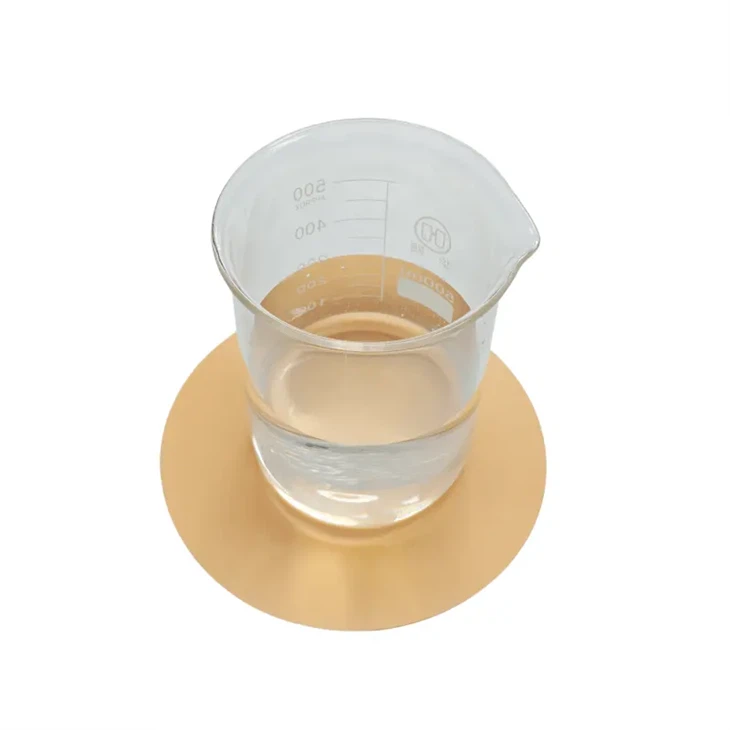
Appearance: Colorless Liquid
MF: C5H10O4
MW: 308
Melting point: 12-17 °C
Product Introduction
What Is Poly(Ethylene Glycol) Diacrylate
Poly(ethylene glycol) diacrylate (PEGDA) is a polymer obtained by the polymerization of ethylene glycol diacrylate (EGDA). Ethylene glycol diacrylate is a diacrylate derivative of ethylene glycol, which has two acrylate groups (-CH2=CHCOO-) attached to the two ends of the ethylene glycol molecule.Poly(ethylene glycol) diacrylate is commonly used in the field of polymer chemistry as a crosslinkable resin. The acrylate groups in PEGDA can undergo radical polymerization reactions, which allows PEGDA to be crosslinked with other polymers or monomers to form networks or polymers with desired properties. Crosslinked PEGDA polymers are known for their hydrophilicity, biocompatibility, and low toxicity, making them suitable for various applications, including biomedical, drug delivery, and tissue engineering.
Why Choose Us
High quality
Our products are manufactured or executed to very high standards, using the finest materials and manufacturing processes.
Competitive Price
We offering a higher-quality product or service at an equivalent price. As a result we have a growing and loyal customer base.
Rich experience
Our company has many years of production work experience. The concept of customer-oriented and win-win cooperation makes the company more mature and stronger.
Global shipping
Our products support global shipping and the logistics system is complete, so our customers are all over the world.
After-sale service
Professional and thoughtful after -sales team, let you worry about us after -sales Intimate service, strong after -sales team support.
Advanced equipment
A machine, tool or instrument designed with advanced technology and functionality to perform highly specific tasks with greater precision, efficiency and reliability.


Advantages of Poly(Ethylene Glycol) Diacrylate
Hydrophilicity
PEGDA is highly hydrophilic, which means it can attract and retain water. This property makes PEGDA suitable for applications involving water, such as biomedical, drug delivery, and tissue engineering.
Biocompatibility
PEGDA is biocompatible, meaning it is non-toxic and non-immunogenic to living cells and tissues. This property makes PEGDA suitable for biomedical applications, such as implantable devices and scaffolds for tissue regeneration.
Low toxicity
PEGDA is relatively non-toxic and has low acute toxicity. This property makes PEGDA suitable for applications involving contact with living organisms, such as cosmetics and food packaging.
UV curing
PEGDA can be cured using ultraviolet (UV) radiation, which allows for rapid curing and crosslinking of PEGDA polymers. This property makes PEGDA suitable for applications that require fast curing, such as 3D printing and adhesives.
Solubility
PEGDA is soluble in a variety of solvents, including water, organic solvents, and polar solvents. This property makes PEGDA suitable for applications that require solubility in specific solvents, such as paints, coatings, and inks.
Versatility
PEGDA can be modified and functionalized to introduce specific chemical groups or properties. This property makes PEGDA suitable for applications that require specific functionalities, such as sensors and catalysts.
Types of Poly(Ethylene Glycol) Diacrylate
Low molecular weight PEGDA has a relatively low molecular weight, typically in the range of a few hundred to a few thousand Daltons. Low molecular weight PEGDA is more soluble in water and organic solvents and has lower viscosity. It is commonly used in applications such as adhesives, coatings, and inks.
Medium molecular weight PEGDA has a molecular weight in the range of several thousand to tens of thousands Daltons. Medium molecular weight PEGDA has higher viscosity and is less soluble in water but more soluble in organic solvents. It is commonly used in applications such as adhesives, coatings, and composites.
High molecular weight PEGDA has a very high molecular weight, typically in the range of hundreds of thousands to millions of Daltons. High molecular weight PEGDA has very high viscosity and is almost insoluble in water but soluble in organic solvents. It is commonly used in applications such as composites, adhesives, and membranes.
Functionalized PEGDA is PEGDA that has been modified with specific chemical groups to introduce specific functionalities. For example, PEGDA can be modified with amino groups, carboxyl groups, or thiol groups to introduce specific chemical reactions or properties. Functionalized PEGDA is commonly used in applications such as sensors, catalysts, and drug delivery.
Branched PEGDA is PEGDA that has been modified with branches to introduce a more complex molecular structure. Branched PEGDA has a lower viscosity and better solubility than linear PEGDA. It is commonly used in applications such as adhesives, coatings, and composites.
1.Adhesives and sealants
PEGDA can be used as an adhesive or sealant due to its ability to cure and crosslink under UV radiation. PEGDA adhesives are commonly used in bonding applications, such as bonding glass, plastics, and metals.
2.3D printing
PEGDA is commonly used in 3D printing, particularly in the field of stereolithography. PEGDA-based resins can be cured layer by layer under UV radiation to form three-dimensional objects.
3.Tissue engineering
PEGDA's biocompatibility and hydrophilicity make it suitable for applications in tissue engineering. PEGDA can be used to fabricate scaffolds for cell culture and tissue regeneration.
4.Drug delivery
PEGDA can be used as a carrier for drug delivery due to its solubility and biocompatibility. Drugs can be encapsulated or conjugated to PEGDA for controlled release and targeted delivery.
5.Coatings and paints
PEGDA can be used as a binder or resin in coatings and paints. PEGDA-based coatings have good adhesion, durability, and resistance to water and chemicals.
6.Nanomaterials
PEGDA can be used to synthesize nanoparticles or nanofibers. PEGDA's hydrophilic properties and functionalizable groups make it suitable for the preparation of nanoparticles for drug delivery, imaging, or sensing.
7.Medical implants
PEGDA can be used to coat or modify medical implants to improve biocompatibility and reduce inflammation. PEGDA coatings can help prevent implant rejection and improve implant performance.
How to Maintain Poly(Ethylene Glycol) Diacrylate
Store properly: PEGDA should be stored in a cool, dry place away from direct sunlight. Exposure to heat, moisture, and ultraviolet radiation can degrade the quality and stability of PEGDA.
Handle with care: When handling PEGDA, avoid prolonged exposure to skin and avoid inhalation of dust or vapors. Wear appropriate protective equipment, such as gloves and a mask, to minimize contact with the material.
Use appropriate tools and equipment: When working with PEGDA, use tools and equipment suitable for handling chemicals. Avoid using metal tools that can react with PEGDA and cause degradation.
Follow safety procedures: Before using PEGDA, read and follow the manufacturer's safety instructions and handling procedures. Understand the potential hazards and take appropriate precautions to ensure your safety.
Keep away from incompatible substances: PEGDA may be incompatible with certain substances. Avoid mixing PEGDA with reactive substances, strong acids, bases, or other chemicals that may react or cause degradation.
Regular inspection and testing: Regularly inspect the quality and stability of PEGDA to ensure it meets the required standards. If there are any signs of degradation, contamination, or expiration, discontinue use and replace it with fresh material.
What Is the Working Principle of an Poly(Ethylene Glycol) Diacrylate
Adhesives and sealants
When PEGDA is used as an adhesive or sealant, it undergoes a curing reaction. The acrylate groups in PEGDA can react with each other or with other compounds through radical polymerization, resulting in the formation of a crosslinked polymer network. This crosslinking process provides strength and adhesion to the bond or seal.
3D.3D print
In 3D printing using PEGDA, resins containing PEGDA are exposed to ultraviolet (UV) radiation. Ultraviolet radiation activates the acrylate groups in PEGDA, initiating a polymerization reaction that solidifies the resin layer by layer. This allows the construction of three-dimensional objects by controlling the curing process.
Tissue engineering
In tissue engineering, PEGDA can be used to fabricate scaffolds for cell culture and tissue regeneration. PEGDA's biocompatibility and hydrophilicity allow cells to attach, grow, and differentiate on the scaffold. The crosslinking process of PEGDA can control the porosity and mechanical properties of the scaffold.
Drug delivery
In drug delivery applications, PEGDA can be used to encapsulate or conjugate drugs. The hydrophilic properties of PEGDA can help improve the solubility and stability of drugs, while the crosslinking process can control the release rate of drugs.
How to Choose the Poly(Ethylene Glycol) Diacrylate Correctly
1. Application requirements
Determine the specific application for which you need PEGDA. Different applications may have different requirements in terms of viscosity, curing time, mechanical properties, and biocompatibility. Consider the properties and performance characteristics needed for your application.
2. Molecular weight and viscosity
PEGDA comes in different molecular weights, which affect its viscosity and flow properties. Choose the appropriate molecular weight based on your application requirements, such as low viscosity for coatings or high viscosity for adhesives.
3. Curing method and speed
Consider the curing method and curing speed required for your application. Some PEGDA formulations may require UV radiation for curing, while others may cure at room temperature or with the addition of a curing agent. Choose the appropriate curing method that suits your process and production requirements.
4. Biocompatibility
If the application involves contact with biological tissues or cells, ensure that the chosen PEGDA is biocompatible and suitable for biomedical applications. Check for relevant certifications or studies to ensure its safety and compatibility.
5. Supplier reputation and quality
Choose a reputable supplier that offers high-quality PEGDA. Check supplier's reputation, product quality certifications, and customer reviews to ensure you are getting a reliable product.
6. Compatibility with other components
If you will be using PEGDA in combination with other materials or chemicals, check for compatibility to avoid interactions or adverse reactions.
7. Cost and availability
Consider the cost of the PEGDA and its availability in the market. Compare prices from different suppliers and ensure a stable supply to meet your production needs.
Poly(Ethylene Glycol) Diacrylate is synthesized by the esterification reaction between Ethylene Glycol and Acrylic Acid in the presence of a catalyst. The process may include purification steps to obtain the desired purity and properties of the final product.The synthesis process usually starts with the mixing of Ethylene Glycol and Acrylic Acid in the presence of a catalyst. Common catalysts used in this reaction include organic bases such as triethylamine or dimethylaminopyridine. The mixture is heated to drive the reaction forward.During the reaction, Ethylene Glycol and Acrylic Acid react to form the diacrylate ester. The reaction proceeds through the formation of an intermediate species, which then undergoes further reactions to yield the final Poly(Ethylene Glycol) Diacrylate product.The synthesis process may also include purification steps to remove any unreacted starting materials or byproducts. This can be done through techniques such as distillation or solvent extraction.It's important to note that the specific synthesis conditions, including the reaction temperature, catalyst concentration, and reaction time, can vary depending on the desired properties of the Poly(Ethylene Glycol) Diacrylate and the equipment used.
How Is Poly(Ethylene Glycol) Diacrylate Stored
Store in a cool, dry place: PEGDA should be stored in a location with a low temperature and low humidity. Excessive heat or moisture can cause the chemical to degrade or react with other substances.
Keep away from direct sunlight: PEGDA should be protected from direct sunlight as it can accelerate degradation and affect the quality of the chemical.
Use a sealed container: PEGDA should be stored in a sealed container to prevent air and moisture from entering. This helps to maintain the purity and stability of the chemical.
Label the container properly: The container storing PEGDA should be labeled with the appropriate hazard warnings and identification information. This helps to ensure that handlers are aware of the potential risks associated with the chemical.
Store away from incompatible substances: PEGDA should be stored away from substances that may react with it or cause a dangerous mixture. Compatibility should be checked before storing PEGDA with other chemicals.
Follow safety procedures: When handling and storing PEGDA, safety procedures should be followed, including wearing appropriate personal protective equipment (PPE) and following proper handling and storage guidelines.
Precautions for Using an Poly(Ethylene Glycol) Diacrylate
1. Read and follow the manufacturer's instructions
Before using PEGDA, carefully read and follow the manufacturer's instructions and safety data sheets. These documents provide important information on handling, storage, and potential hazards.
2. Use appropriate protective equipment
Wear appropriate personal protective equipment (PPE) such as gloves, goggles, and a respirator to minimize contact with the material and protect your skin and respiratory system.
3. Dispose in a well-ventilated area
Work in a well-ventilated area to avoid the accumulation of vapors and smoke. Ensure proper ventilation to prevent inhalation of hazardous substances.
4. Avoid contact with eyes and skin
PEGDA can cause irritation or allergic reactions upon contact with eyes or skin. If contact occurs, immediately rinse with plenty of water and seek medical attention if necessary.
5. Store properly
Store PEGDA in a cool, dry place, away from direct sunlight and sources of heat. Keep it out of reach of children and pets.
6. Avoid ingestion and inhalation
PEGDA is not intended for internal consumption and should be kept away from food and drink. Avoid breathing in the vapors or mists generated during the use of PEGDA.
7. Work with small quantities
Handle PEGDA in small quantities to minimize the risk of spills or accidents. Use proper containers and tools for measuring and dispensing.
8. Dispose of properly
Follow local regulations and the manufacturer's instructions for the proper disposal of PEGDA and its containers. Do not dispose of PEGDA in regular trash or drains.
9. Be cautious with reactive Materials
PEGDA may react with other chemicals or substances. Avoid mixing PEGDA with incompatible materials and follow proper handling procedures.
10. Train and educate users
Ensure that all users are properly trained and informed about the hazards and precautions associated with PEGDA. Provide them with the necessary safety information and instructions.
How Safe Are Poly(Ethylene Glycol) Diacrylate
1. Toxicity
PEGDA can have toxic effects if ingested or comes into contact with the skin or eyes. Inhalation of PEGDA vapors may also cause respiratory irritation. Proper handling and use of personal protective equipment (PPE) are essential to minimize exposure.
2. Skin irritation
Direct contact with PEGDA can cause skin irritation, redness, or allergic reactions in some individuals. It is important to wear appropriate gloves and protective clothing to prevent skin contact.
3. Eye irritation
PEGDA can cause eye irritation or discomfort upon contact. Wearing goggles or a face shield is recommended to protect the eyes.
4. Respiratory effects
Inhalation of PEGDA vapors or mists may cause respiratory tract irritation. Working in a well-ventilated area and using respiratory protection, if necessary, can help reduce the risk.
5. Chemical stability
PEGDA may be reactive with other chemicals or substances. Mixing PEGDA with incompatible materials can lead to uncontrolled reactions or releases of harmful substances.
What Are the Trends and Development Directions of Poly(Ethylene Glycol) Diacrylate in the Market
Biocompatibility and biomedical applications: With the growing demand for biomaterials in the healthcare industry, there is an increasing focus on developing PEGDA with improved biocompatibility. This includes the development of PEGDA derivatives that are less toxic, more degradable, and have enhanced cell adhesion properties. PEGDA is used in biomedical applications such as drug delivery, tissue engineering, and biomedical implants.
Nanotechnology and nanomaterials: Nanotechnology offers opportunities for the development of novel PEGDA-based nanomaterials with enhanced properties and functionalities. Nanoparticles or nanostructures incorporating PEGDA can improve mechanical strength, conductivity, and biocompatibility, leading to new applications in areas like nanocomposites, nanomedical devices, and energy storage.
Green chemistry and sustainability: There is a growing emphasis on sustainable and environmentally friendly materials. This drives the development of PEGDA derived from renewable resources or using sustainable manufacturing processes. Additionally, there is an interest in developing biodegradable or recyclable PEGDA formulations to reduce environmental impact.
Functionalization and customization: The market is witnessing an increasing demand for PEGDA with specific functional properties. This includes the development of PEGDA derivatives with tailored surface chemistries, modified mechanical properties, or the incorporation of responsive moieties for smart materials applications.
Advanced coatings and adhesives: PEGDA continues to find applications in advanced coatings and adhesives. There is a trend towards developing high-performance PEGDA formulations with improved adhesion, durability, and weather resistance for applications in automotive, aerospace, construction, and electronics.
Crosslinking and curing technologies: Advancements in crosslinking and curing technologies are expected to improve the properties and processing of PEGDA. This includes the development of novel curing agents, initiators, or photoinitiators to enhance curing speed, mechanical properties, and stability.
Market expansion and applications: The PEGDA market is expected to expand into new application areas. This includes emerging fields like 3D printing, flexible electronics, and sensors, where PEGDA's unique properties can offer advantages.
What Are the Safety Precautions When Handling Poly(Ethylene Glycol) Diacrylate
When handling PEGDA, it is important to wear appropriate PPE, such as gloves, goggles, and a lab coat. This helps to protect the skin and eyes from contact with the chemical.
PEGDA should be handled in a well-ventilated area to prevent the buildup of vapors. Proper ventilation helps to reduce the risk of inhalation and exposure.
Direct contact with PEGDA can cause irritation or allergic reactions. It is important to avoid contact with the skin and eyes and to immediately wash any exposed areas with plenty of water.
PEGDA is harmful if ingested or inhaled. Make sure to keep the chemical out of reach of children and animals and avoid inhalation of vapors.
PEGDA should be handled with care to prevent spills or leaks. Use proper containers and handling equipment to minimize the risk of exposure.
When disposing of PEGDA, follow the manufacturer's instructions or local regulations for proper disposal. Do not dispose of PEGDA in regular trash or pour it down the drain.
PEGDA should be stored in a secure location, away from sources of heat, flames, or ignition sources. Keep the chemical in a labeled container and out of reach of unauthorized personnel.
Make sure all handlers are trained and educated on the proper handling and safety procedures for PEGDA. Provide them with the necessary information and resources to handle the chemical safely.
Our Factory
Suzhou Senfeida Chemical Co., Ltd. was established in 2013 and is an enterprise dedicated to the production and research and development of various chemical raw materials. In order to improve production efficiency and meet customer needs, the company established a warehousing and processing plant in Changzhou, Jiangsu in 2014. Subsequently, in order to better expand the market and serve customers, the company established a contract factory in Yueyang, Hunan in 2015.In addition, in order to meet the needs of customers in different regions, the company has also established multiple contract factories in Guangdong, Shandong and other places. Through these measures, Suzhou Senfeida Chemical Co., Ltd. can better provide customers with high-quality chemical raw material products.


FAQ
Q: What is Poly(Ethylene Glycol) Diacrylate (PEGDA)?
Q: What are the advantages of using PEGDA?
Q: How is PEGDA synthesized?
Q: What is the molecular weight range of PEGDA?
Q: How does the molecular weight of PEGDA affect its properties?
Q: Can PEGDA be crosslinked?
Q: What are the applications of PEGDA in tissue engineering?
Q: Is PEGDA biodegradable?
Q: Can PEGDA be used for drug delivery?
Q: How is PEGDA used in 3D printing?
Q: Can PEGDA be modified with other functional groups?
Q: What are the factors that affect the mechanical properties of PEGDA hydrogels?
Q: Can PEGDA hydrogels be used for cell encapsulation?
Q: How can the degradation rate of PEGDA hydrogels be controlled?
Q: Can PEGDA hydrogels be used for wound healing applications?
Q: Are there any limitations or challenges associated with using PEGDA?
Q: Can PEGDA be combined with other polymers?
Q: What are the sterilization methods suitable for PEGDA hydrogels?
Q: Are there any safety considerations when working with PEGDA?
Q: Can PEGDA be used for in vivo applications?
Hot Tags: poly(ethylene glycol) diacrylate, China poly(ethylene glycol) diacrylate manufacturers, suppliers, factory, CAS 32360 05 7, CAS 3290 92 4, Trimethylolpropane Trimethacrylate, 1 4 Butanediol Diacrylate, Methoxypolyethylene Glycols, Tri-functional
You Might Also Like


Send Inquiry
