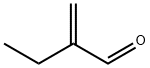
ethacrolein;2-ETHYLACROLEIN, TECH., 85%;Ethylacrolein;α-Ethylacrolein;2-Ethylacrolein, techn., 90%;2-ETHYLACROLEIN: TECH., 90%, STABILIZED WITH 50PPM HYDROQUINONE;2-Ethylacrolein, tech. 90%, stab. with 50ppm hydroquinone;2-Ethylpropenal, 2-Methylenebutyraldehyde
CAS:
922-63-4
MF:
C5H8O
MW:
84.12
EINECS:
213-079-3
Product Categories:
Mol File:
922-63-4.mol
2-Ethylacrylaldehyde Chemical Properties
Melting point
-101.15°C (estimate)
Boiling point
92-93°C
density
0.859 g/mL at 25 °C(lit.)
refractive index
1.425
Fp
1°C
storage temp.
2-8°C
Water Solubility
Soluble in alcohol. Insoluble in water.
Sensitive
Air Sensitive
BRN
1098378
Exposure limits
ACGIH: TWA 1 mg/m3
OSHA: TWA 2 mg/m3
NIOSH: IDLH 50 mg/m3; Ceiling 2 mg/m3
LogP
1.240
CAS DataBase Reference
922-63-4
NIST Chemistry Reference
2-Ethylacrolein(922-63-4)
EPA Substance Registry System
2-Ethylpropenal (922-63-4)
Safety Information
Hazard Codes
F,Xn
Risk Statements
11-20/21/22-36/37/38
Safety Statements
16-26-36/37/39-28
RIDADR
1992
WGK Germany
3
RTECS
ES3480000
HazardClass
3
PackingGroup
II
MSDS Information
Provider
Language
ALFA
English
2-Ethylacrylaldehyde Usage And Synthesis
Uses
2-Ethylacrolein has been used in total synthesis of (+/-)-tabersonine, Aspidosperma alkaloid and synthesis of conjugate with bovine serum albumin tethered to Tn.
Hazard
Moderately toxic by inhalation.
2-Ethylacrylaldehyde Preparation Products And Raw materials